
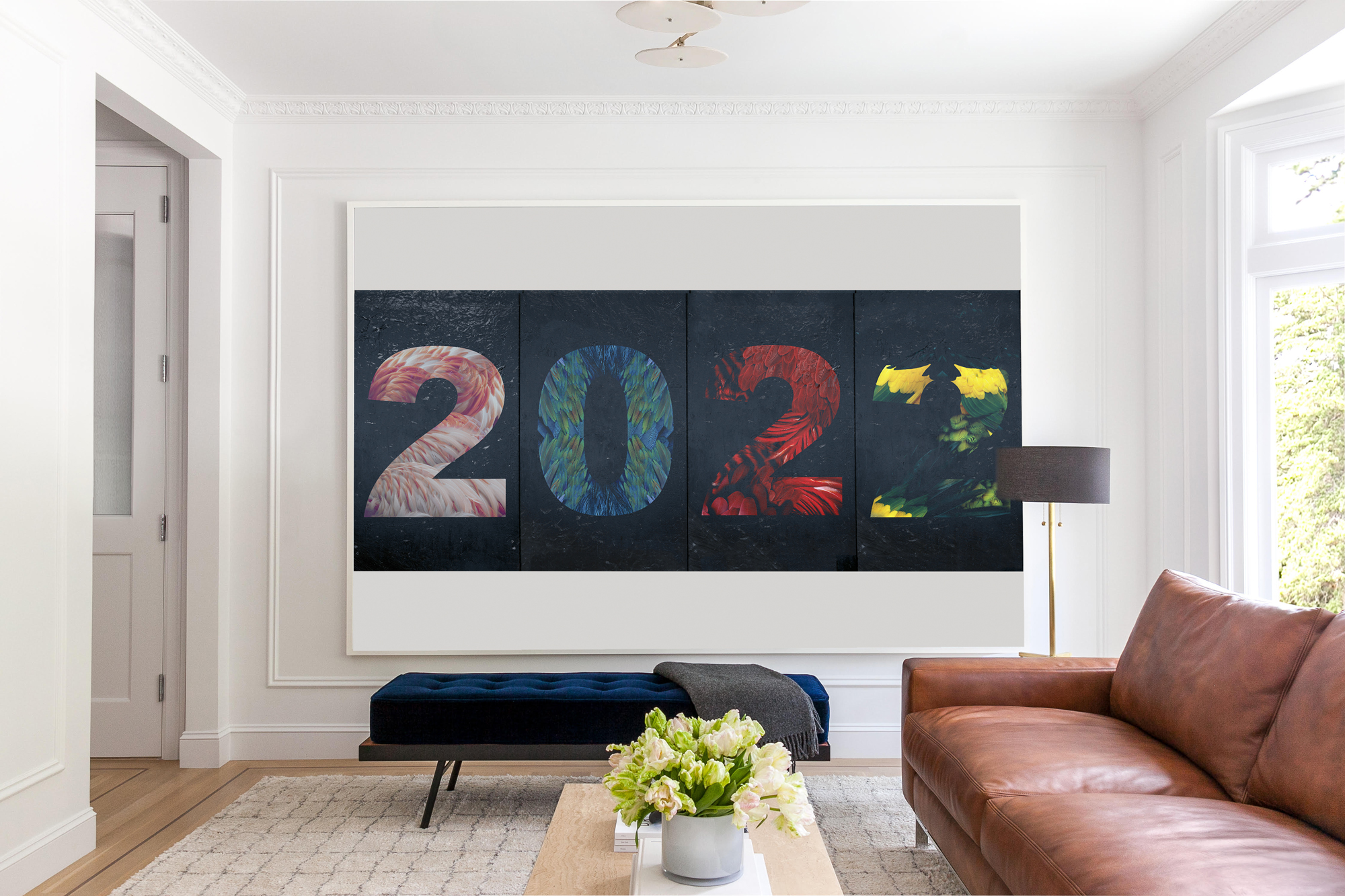
FLIPPING
A Note on Acquisition, Time, and Responsibility
Works of art do not begin their life when they are sold.
They begin when someone decides to live with them.
For this reason, acquisition here is not treated as a transaction but as an entry into a relationship that unfolds over years — often decades — between artist, collector, and the work itself.
I am not interested in rapid circulation.
I am interested in continuity.
If the primary intention is short-term resale, this is likely not the right work for you.
There are many artists whose works are designed for liquidity.
Mine are designed for duration.
The Role of the Buyer
There are buyers and there are collectors.
A buyer acquires an object.
A collector accepts a position in a narrative that precedes and outlasts them.
I look for the second.
The people who have supported my work across time should never be placed in a position where speculative movement benefits a later arrival more than those who believed earlier.
For that reason, my work tends to gravitate toward individuals interested in building something rather than trading something.
Ownership is private.
Responsibility is shared.
Why Only One Work Exists
I do not produce editions or multiples of finished works.
The reason is not purity but biography.
Each work marks a specific moment — materially, intellectually, and historically — that cannot be repeated without becoming illustration instead of art.
To reproduce it would not extend the work but replace it.
Museum adaptations, projections, or transformations may occur in exhibition contexts.
Those are not copies; they are future lives of the same idea.
The original remains singular.
Price
The price of a work is not calculated only through materials and labour, but through accumulated time:
education, failed experiments, research, travel, conversations, and the decades required to arrive at a particular form.
You are not paying for the hours of execution.
You are entering the years that made the execution possible.
Destruction and Scarcity
Some works disappear.
This is intentional.
An artist is not a storage facility, and permanence is not achieved through accumulation but through selection.
At times, unsold works are destroyed so that what remains continues to exist with clarity.
Scarcity is therefore not imposed artificially — it is a consequence of allowing the work to remain alive rather than archived in excess.
Replacement
If a work is destroyed, its absence is recorded as part of its history.
When possible, and when agreed, a successor may exist — not as a replica but as a continuation governed by guidelines established at acquisition.
The aim is preservation of lineage, not duplication of object.
The Collector
My ideal collector recognizes that art is neither decoration nor financial instrument, though it may become both.
They acquire because they feel addressed.
They are willing, when appropriate, to allow works to appear in exhibitions and publications so the work continues operating in culture rather than disappearing into possession.
Collectors do not immobilize art.
They extend it.
Commissioning
The most meaningful works in art history often emerge through commissions based on trust rather than control.
I accept commissions that provide direction but not confinement — situations in which two intentions meet and produce something neither could have predicted alone.
Highly restrictive commissions tend to generate design.
Open commissions generate art.
Patronage
Patronage is not payment for an object.
It is investment in the time necessary for something to exist at all.
The historical model is simple:
years of support may precede a moment of creation that lasts centuries.
What is acquired is not only the final work but the conditions that made it possible.
Time
At times, I offer collectors the possibility of acquiring a period of production rather than a single object.
This follows an older logic of patronage: supporting the process instead of selecting the result afterward.
It allows me to work without fragmentation, and allows the collector to become inseparable from a body of work rather than an isolated piece.
Final Consideration
Many artists release works into the market and let the market decide their meaning.
I prefer to place works with people who help determine their future.
If this seems limiting, the work will feel heavy.
If it feels natural, you already understand it.
The question is therefore not whether the work suits your space.
It is whether you wish to accompany its life.